Shop direct with us online to get the best deal! — 1300 66 1004
If you are in Melbourne, Visit our showroom





Office Hours: Monday To Friday: 8.30 AM To 5 PM
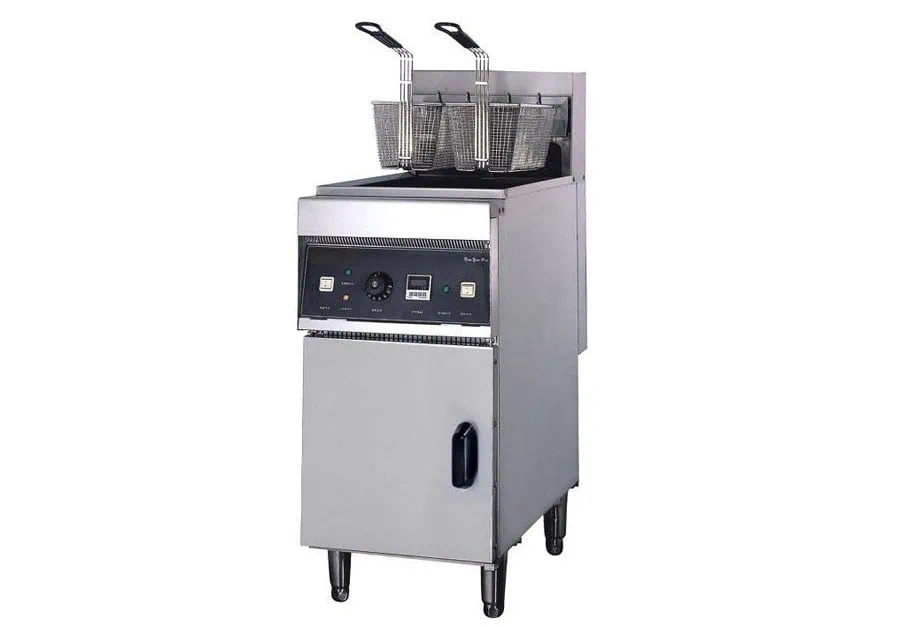
When it comes to running a busy commercial kitchen in Melbourne, having the right commercial deep fryer can make a significant difference in food quality, efficiency, and operating costs. Whether you’re running a café, restaurant, takeaway, or food truck, selecting the correct deep fryer is essential for consistent cooking results and long-term reliability.
In this guide, we’ll walk you through the most popular types of commercial deep fryers, including tube fryers, V-pan fryers, rapid fryers, and a comparison between electric and gas models—so you can make the best choice for your business.
Tube fryers are a popular choice in high-volume kitchens. These fryers have stainless steel tubes submerged in the oil, which house the burners and distribute heat effectively. They are especially well-suited to frying battered or heavily crumbed products like schnitzels, dim sims, fish, and chips.
Tube fryers also feature a cold zone—an area beneath the tubes where food particles settle. This helps prevent carbonisation and extends the oil life, making tube fryers more cost-effective over time.
These model are also all available in LPG if you are using onsite at a Festival , in a food truck or simply unable to access Natural Gas
V-pan fryers, often used in fast food environments, feature a V-shaped tank that allows oil and food particles to naturally settle into the lower point of the pan. This “cold zone” is a significant benefit for preserving oil quality and reducing maintenance.
However, V-pan fryers may not be ideal for heavily battered products, as they have less oil capacity and slower recovery when under heavy load.
Choosing between a tube and V-pan fryer depends on your menu and volume.
| Feature | Tube Fryer | V-Pan Fryer |
|---|---|---|
| Best For | Heavy crumbed or battered foods | Light to medium fried foods |
| Oil Capacity | Higher | Moderate |
| Recovery Time | Better under heavy use | Quicker for light batches |
| Maintenance | More parts to clean | Easier to clean |
| Cold Zone | Excellent | Good |
If you’re frying high volumes of crumbed meats or fish, go for a tube fryer. For snack bars, cafes, or venues focused on chips and light items, a V-pan fryer may be more practical and cost-efficient.
For kitchens that need lightning-fast output, rapid fryers—like those from B&S Commercial—are an excellent choice. These fryers use powerful heating systems and advanced controls to drastically reduce cook times without compromising food quality.
Turbo fryers deliver extreme heat quickly, making them ideal for peak rush periods or high-density items like schnitzels, dim sims, or pre-cooked chips.
TF-451 / TF-601 / TF-451S – Built to endure long hours, these turbo fryers provide blazing recovery speeds and handle large volumes with ease. These are manufactured by B&S Commercial Kitchens
Electric deep fryers are growing in popularity thanks to their precise temperature control, energy efficiency, and suitability for enclosed kitchens where gas is not available.
Austheat:
B&S:
Fry Max:
Ideal for establishments with limited space or lower frying volumes. They are compact and cost-effective but may require more frequent oil changes.
Suitable for high-volume operations, twin tank fryers allow for simultaneous frying of different products, reducing cross-contamination and improving efficiency.
A countertop deep fryer is a compact, portable version of a commercial deep fryer designed to sit on a bench or workstation. These fryers are ideal for smaller kitchens, food trucks, cafes, or low-volume operations where space is limited. Despite their size, many models are powerful and capable of handling continuous use during busy service hours.
Perfect for food trucks, small cafés, and kiosks.
Compact Size
> Perfect for kitchens with limited space
> Easy to relocate or store when not in use
Cost-Effective
> Typically cheaper than floor-standing fryers
> Lower oil capacity saves on running costs
Quick Heat-Up Time
> Smaller oil volumes heat up faster, saving time and energy
Ideal for Light-Duty Operations
> Great for frying small batches of chips, nuggets, calamari, spring rolls, etc.
> Suitable for cafés, takeaways, and pop-up kitchens
Easy to Clean and Maintain
> Most units have removable oil tanks and baskets
> Stainless steel designs improve hygiene and durability
Single or Double Tanks Available
> Choose between single and twin tank units depending on your output needs
❌ Limited Capacity
❌ May Require Frequent Oil Changes
❌ Electricity Dependent
❌ Slower Recovery Time
Choosing between an electric and a gas fryer depends on your kitchen setup and usage.
Tip: For mobile food vans or venues with limited gas infrastructure, electric fryers are more flexible.
But for heavy-duty frying, gas fryers often offer better long-term cost efficiency.
Natural Gas is often preferred for its cost-effectiveness and consistent supply in urban areas. LPG is a viable alternative for locations without natural gas infrastructure but may incur higher operational costs.
For all your commercial kitchen equipment needs, trust ADGEMIS.
One of the most important factors in fryer performance is recovery time—how fast the oil returns to temperature after a batch is dropped.
If your fryer can’t recover quickly:
Make sure to choose a fryer with enough power (MJ/h or kW rating) and oil capacity to match your busiest service periods.
Changing oil regularly is key to great taste and food safety.
Investing in an oil filtration system helps extend oil life, improve food quality, and reduce waste.
All gas deep fryers must be installed by a Licensed Gas Plumber to comply with:
Incorrect installation may lead to gas leaks, fire risk, or voided warranty—don’t take shortcuts.
All Electric deep fryers must be installed by a Licensed Electrician to comply with:
Incorrect installation may lead to voided warranty— again, don’t take shortcuts.
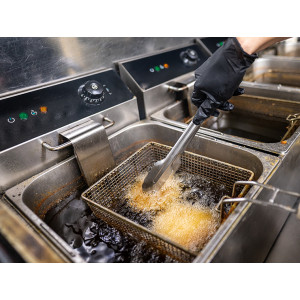
Regular cleaning involves draining the oil, removing debris, and scrubbing the vat. It’s essential to clean the burner tubes to maintain efficiency.
The V Pan design simplifies cleaning by directing debris into a cold zone, making oil filtration more effective and reducing maintenance time.
Best Temperature to Fry Chips:
175°C to 185°C is ideal for crispy, golden fries
Best Fryers for Fried Chicken:
Our range of commercial deep fryers in Melbourne, Sydney, Brisbane, and Adelaide ensures the perfect solution for kitchens of all sizes.
Choosing the right fryer doesn’t just affect your food—it impacts speed, efficiency, energy usage, and customer satisfaction. Whether you’re frying classic chips or signature Korean-style wings, your deep fryer needs to match your output and menu style.
Need help selecting a Deep Fryer? Contact Adgemis Refrigeration today and we’ll guide you to the perfect solution for your commercial kitchen.
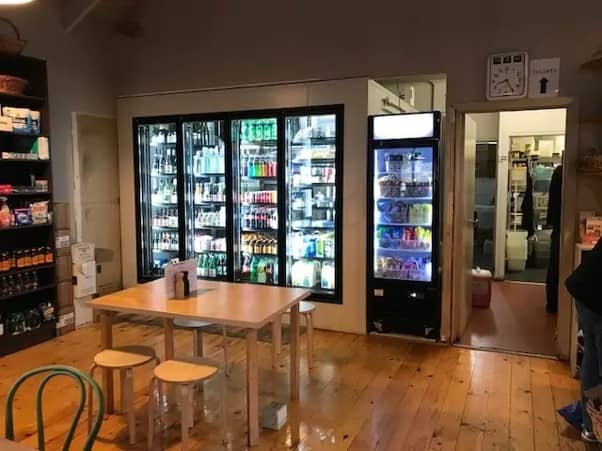
When a commercial fridge breaks down, it is far more than an inconvenience. It is a risk of losing stock, it’s a disruption to service, and it is potentially a lot of money. What do you do? Call for a technician to repair your fridge, or do you start shopping for a new one? For […]
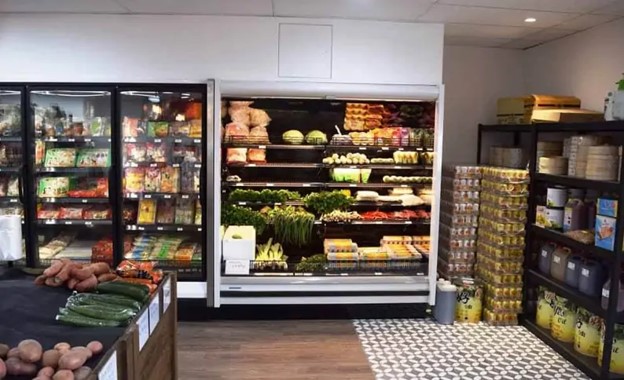
Is your fridge suddenly on the blink? Maybe it’s a display fridge. Maybe it’s an underbar or upright commercial storage fridge. Either way, no business wants to see that their fridge has failed and isn’t cooling when they need it most. The moment it appears to have stopped cooling, a wide range of issues can occur, and […]
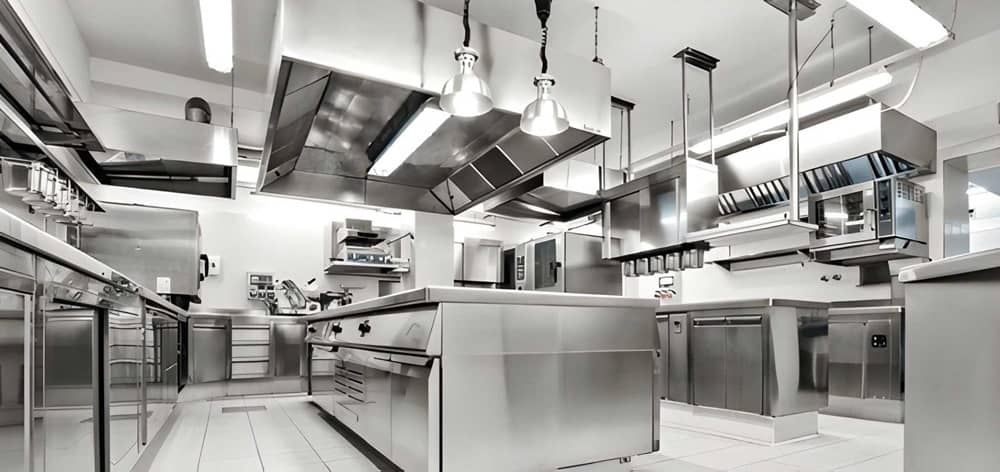
Are you looking to upgrade your existing commercial kitchen and wondering if those high-end domestic appliances you see in retail stores can cut it in a fast-paced restaurant environment? Whether you are a seasoned chef or a first-time business owner, understanding the differences between domestic and professional commercial equipment is vital for your success. While […]
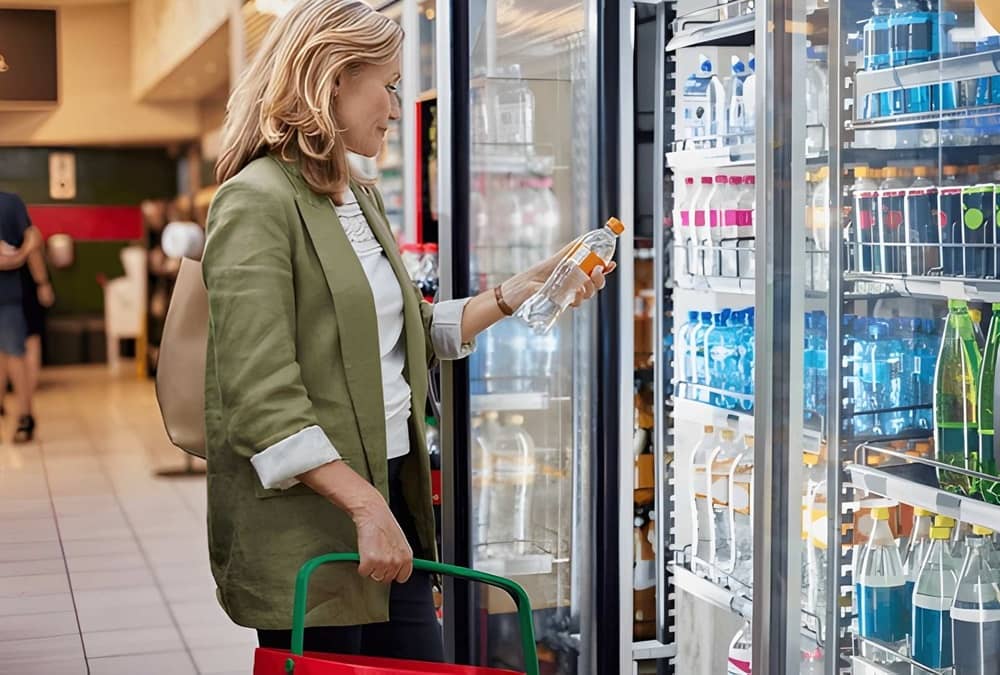
Choosing a commercial refrigerator is one of the most significant investments you will make for your kitchen. Unlike a home fridge, a professional unit has to maintain a steady temperature while the door is opened hundreds of times a day in a hot environment. With over 40 years of experience supplying and repairing commercial kitchen refrigerators […]
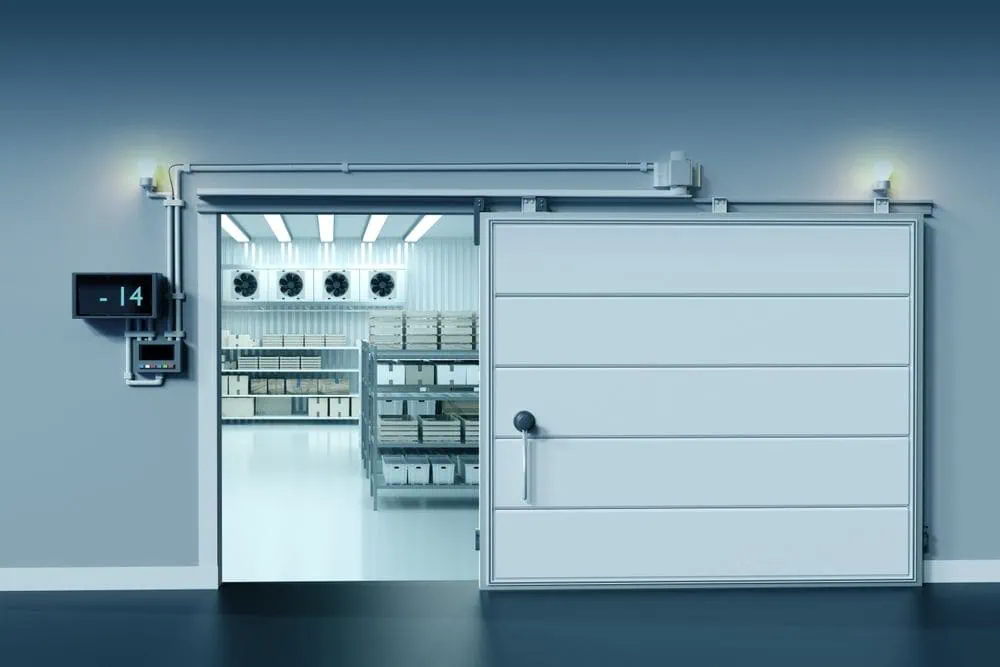
Cool rooms are integral to any commercial kitchen. They’re what keeps stock safe, fresh, and ready for service. Fail to invest in the right setup, and you’ll likely fall short of both Health Department standards and Australian regulations. Put simply, for anyone in hospitality, retail, or food production, the choice of a cool room isn’t […]


Call us today on 1300 66 1004




