Shop direct with us online to get the best deal! — 1300 66 1004
If you are in Melbourne, Visit our showroom





Office Hours: Monday To Friday: 8.30 AM To 5 PM

A commercial ice machine is one of those pieces of equipment that only gets attention when it goes wrong. Too small, and your bar or café runs dry on the busiest night of the week. Too big, and you’ve paid for capacity you’ll never use.
Pick the wrong type for your space, and you’re stuck with a machine that clogs, overheats or churns out ice that doesn’t suit your drinks or display.
This guide covers the main types of commercial ice machine, how to size one for your business and what drives the price, so you know what to look for when a commercial ice machine for sale catches your eye, no matter if you’re fitting out a new Melbourne café or replacing a tired machine in a busy bar,
In Australia, commercial ice machines are categorised by their physical formats, the types of ice they produce and their condenser cooling systems. There are 3 physical formats, 4 different types of ice and 3 different kinds of cooling systems.
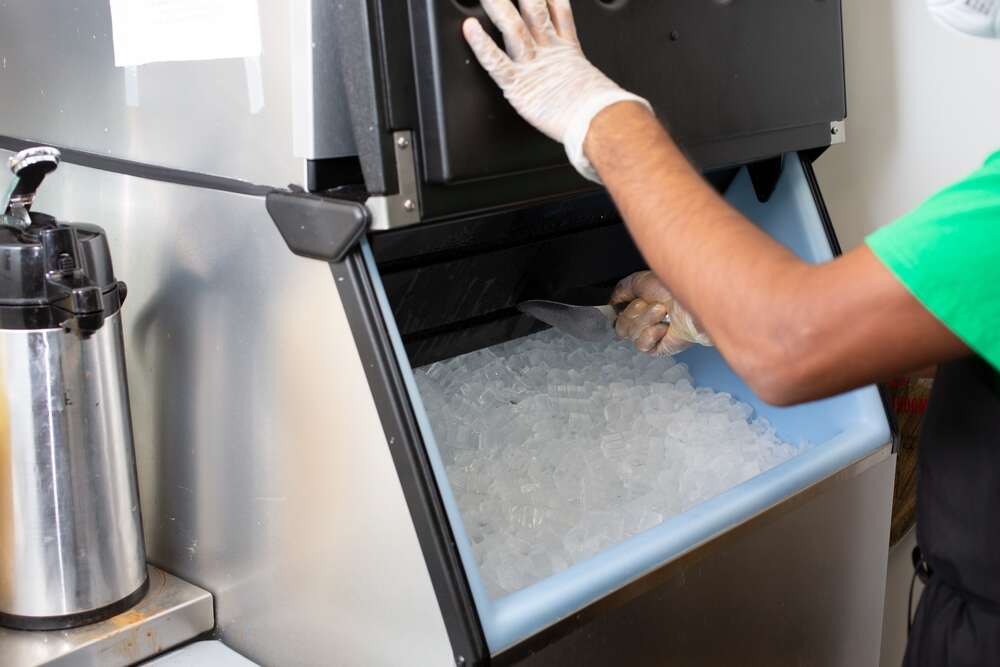
There is actually a formula you can use to calculate your ice needs, and determine what size commercial ice machine you need for your venue.
You determine the size of ice machine you need based on the peak usage time at your venue, when it is at its busiest. It’s better to have too much ice than run out of ice. You then add a 20%- 25% buffer, just in case.
Once you’ve worked out your peak period, you apply industry estimates of ice consumption per person:
The sizing formula: [Number of guests] * [ice per guest] * [peak factor]
Add the 25% buffer to account for unexpected crowd surges and for warm summer conditions.
Example:
A popular cafe on Chapel Street has around 120 guests per hour over lunch. For cafes, the industry feels around 0.45 kg per person is the average. The peak factor is 25% (1.25)
Using the formula: 120 * 0.45 * 1.25 = 67.5 kg of ice per hour at peak times.
Remember to size for summer. A run of 35-degree days in Melbourne can push ice demand well past what a typical Tuesday suggests.
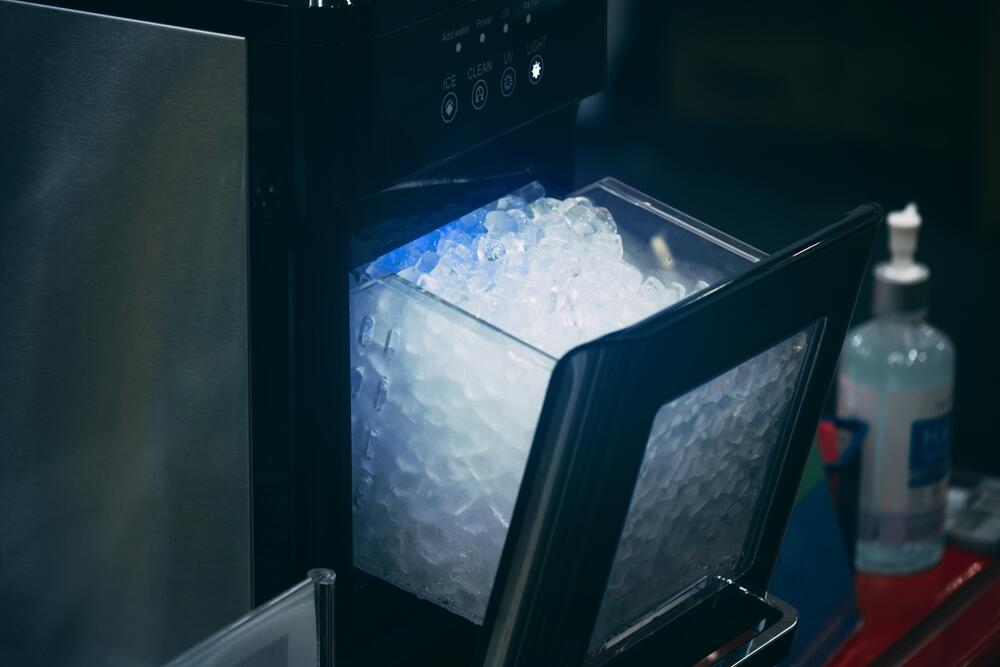
The place where you will store your ice machine will determine what kind of cooling system you will use.
Air-cooled ice machines need an open space with heavy airflow to operate safely. Usually they sit outdoors, on a roof or in a large, well-ventilated room. You must have clearance around all the vents, or the machine will overheat and fail on you.
This type of machine is best suited for places that don’t have access to water lines and places with good air circulation. Think festivals with tents, or large functions in ballrooms.
Water-cooled ice-making machines sit inside a venue, in tight, enclosed spaces, as they don’t need large gaps for airflow and venting. They do require a steady stream of water and a drain line. This means they can’t be used in mobile setups without plumbing, such as food trucks.
This type of machine is good for hot kitchens, confined backrooms or indoor spaces that have no room for venting but a good supply of water.
A remote condenser for an ice machine is a separate outdoor unit typically mounted on a wall or on the roof. It is connected to the ice maker through a refrigerant line. It moves the mechanical noise of the unit outside, leaving it quiet inside the working space. It can allow a high volume of ice creation without straining indoor ventilation or air-conditioning systems.
Installation is more complex, as it requires penetrating the wall or ceiling for the refrigerant lines and a dedicated outdoor electrical connection.
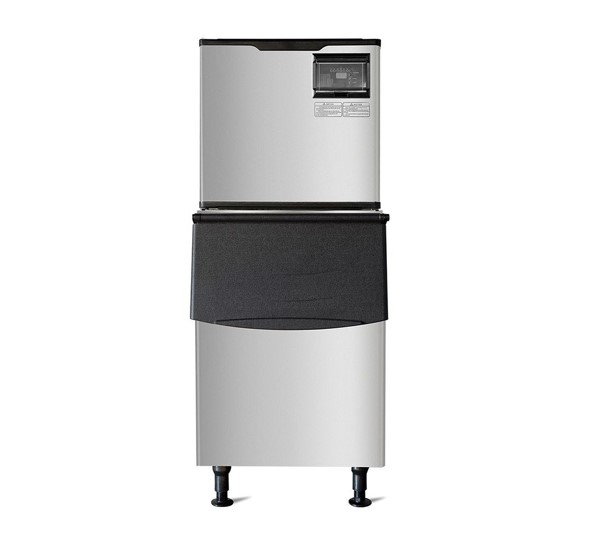
The main factors that determine the cost of a commercial ice-making machine are capacity and cooling system. Generally, the more ice you need to produce, the higher the cost of the ice-making machine, so it pays to compare each commercial ice machine for sale on capacity and running costs, not just the price tag.
Before you buy your ice machine, you need to calculate your peak daily ice demand and check your site’s utility connection. This will determine the size of your ice machine and the cooling power source. You don’t want a machine that looks good in the brochure to fail you in your shop.
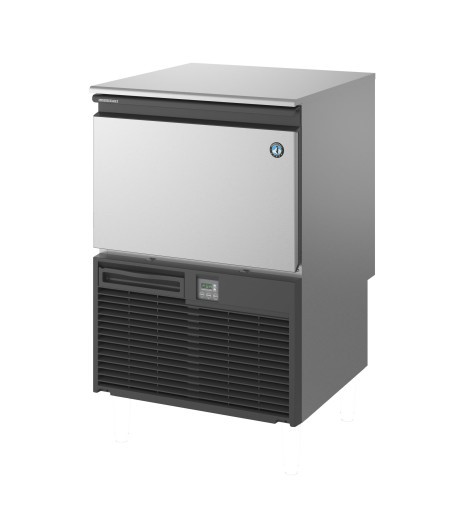
Choosing a supplier is about more than finding the best price on a single machine. The right commercial kitchen equipment suppliers become a long-term partner, helping you get the right equipment, keep it running and fix problems quickly when they come up. That matters most for refrigeration and ice machines, which run all day and are hard to do without when they fail. Before you commit, here’s what to weigh up.
The right supplier does more than sell you equipment. They help you choose the right unit, back it with solid warranty and spare parts, and keep it running with proper servicing. That matters most with refrigeration and ice machines, where a breakdown during service can cost you far more than the price difference between a cheap unit and a quality one.
When you compare commercial kitchen equipment suppliers, look past the price tag to their product knowledge, after-sales support and long-term value. If you’re ready to find the right commercial ice machine for your venue, call our team on 1300 66 1004 or request a quote today. You can also browse our full range of commercial refrigeration and catering equipment.
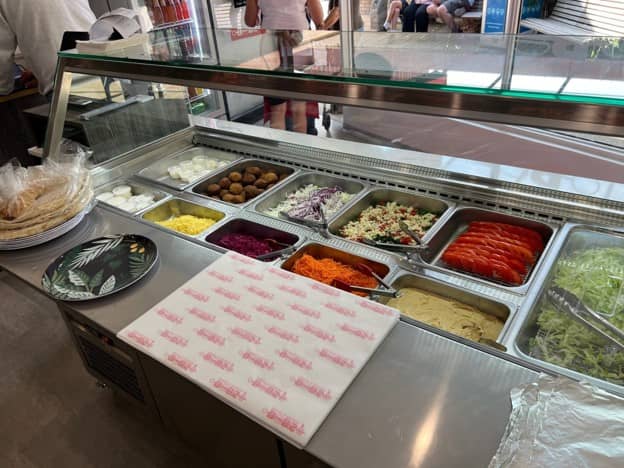
Choosing the right commercial fridge is one of the most important decisions for any Australian hospitality, foodservice or retail business owner. Refrigeration plays a crucial role in keeping food and beverages at safe temperatures, protecting product quality and supporting an efficient kitchen or service area. However, with so many options available, deciding which unit is […]
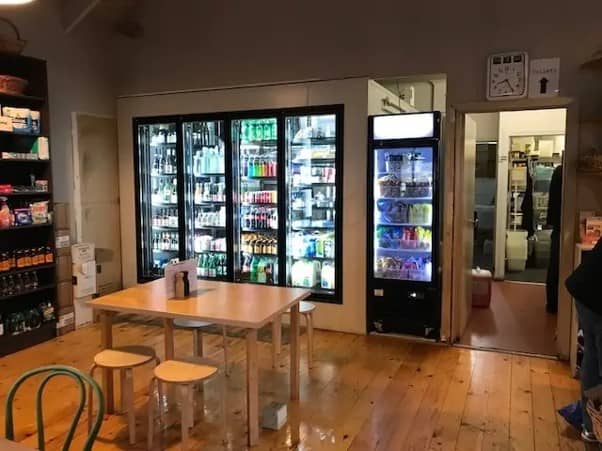
When a commercial fridge breaks down, it is far more than an inconvenience. It is a risk of losing stock, it’s a disruption to service, and it is potentially a lot of money. What do you do? Call for a technician to repair your fridge, or do you start shopping for a new one? For […]
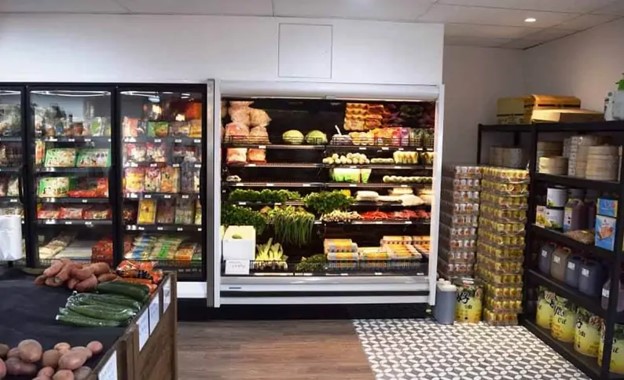
Is your fridge suddenly on the blink? Maybe it’s a display fridge. Maybe it’s an underbar or upright commercial storage fridge. Either way, no business wants to see that their fridge has failed and isn’t cooling when they need it most. The moment it appears to have stopped cooling, a wide range of issues can occur, and […]
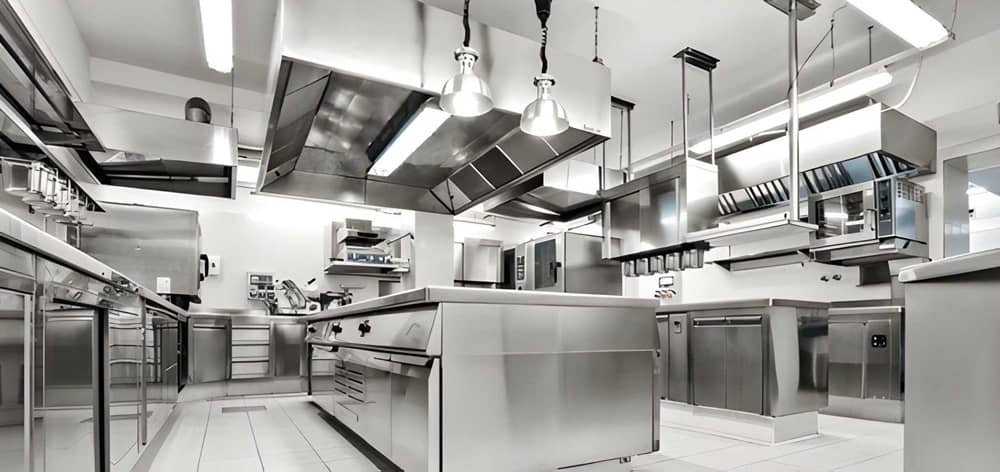
Are you looking to upgrade your existing commercial kitchen and wondering if those high-end domestic appliances you see in retail stores can cut it in a fast-paced restaurant environment? Whether you are a seasoned chef or a first-time business owner, understanding the differences between domestic and professional commercial equipment is vital for your success. While […]

Choosing a commercial refrigerator is one of the most significant investments you will make for your kitchen. Unlike a home fridge, a professional unit has to maintain a steady temperature while the door is opened hundreds of times a day in a hot environment. With over 40 years of experience supplying and repairing commercial kitchen refrigerators […]


Call us today on 1300 66 1004




