Shop direct with us online to get the best deal! — 1300 66 1004
If you are in Melbourne, Visit our showroom





Office Hours: Monday To Friday: 8.30 AM To 5 PM
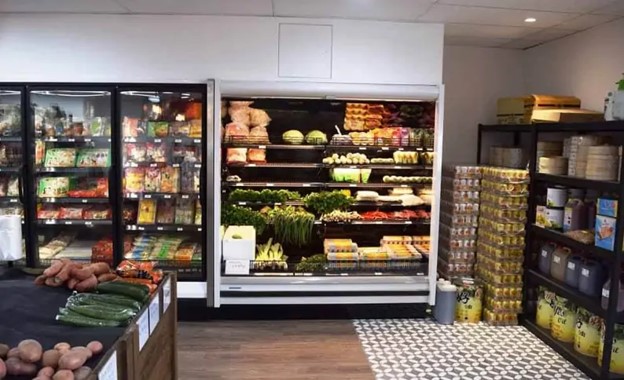
Is your fridge suddenly on the blink? Maybe it’s a display fridge. Maybe it’s an underbar or upright commercial storage fridge. Either way, no business wants to see that their fridge has failed and isn’t cooling when they need it most.
The moment it appears to have stopped cooling, a wide range of issues can occur, and this can quickly lead to thousands of dollars in spoiled stock, compliance issues, and lost service time.
The good news is that not every cooling issue requires an emergency repair. In some cases, the cause is simple and can be identified with a few basic checks. This guide explains what to do when your commercial fridge stops cooling and when it’s time to call an ADGEMIS HOSPITALITY technician.
As a business, it’s your responsibility to meet the food safety requirements set out by Australian legislation, as well as follow local council regulations. Food business owners or managers need to ensure that their operation is compliant with government food safety laws, Victorian State Government food safety laws, and local council food standards legislation (Australian Institute of Food Safety)
One of the biggest risks posed by a malfunctioning fridge is food poisoning. As stated by the Victorian Better Health Channel “food poisoning bacteria grow and multiply fastest in the temperature danger zone between 5 °C and 60 °C. It is important to keep high-risk food out of this temperature zone.” (Source)
Ignoring refrigeration issues can result in:
Acting quickly helps protect your inventory, customers and reputation.
Before arranging emergency repairs, perform these simple checks. Sometimes the solution is straightforward.
A cooling issue may be related to power rather than a refrigeration fault.
Check the following:
Damaged or worn door seals allow warm air to enter the cabinet, forcing the fridge to work harder.
Look for:
You can also perform the paper test. Close the door on a sheet of paper and try to pull it out. If it slides out easily, the seal may no longer be airtight.
Commercial refrigerators depend on unrestricted airflow to maintain consistent temperatures.
Ask yourself:
Rearrange products so air can circulate freely throughout the cabinet.
Sometimes the cause is surprisingly simple.
Consider whether:
If food has been exposed to unsafe temperatures for an extended period, assess it carefully. When in doubt, discard the product.
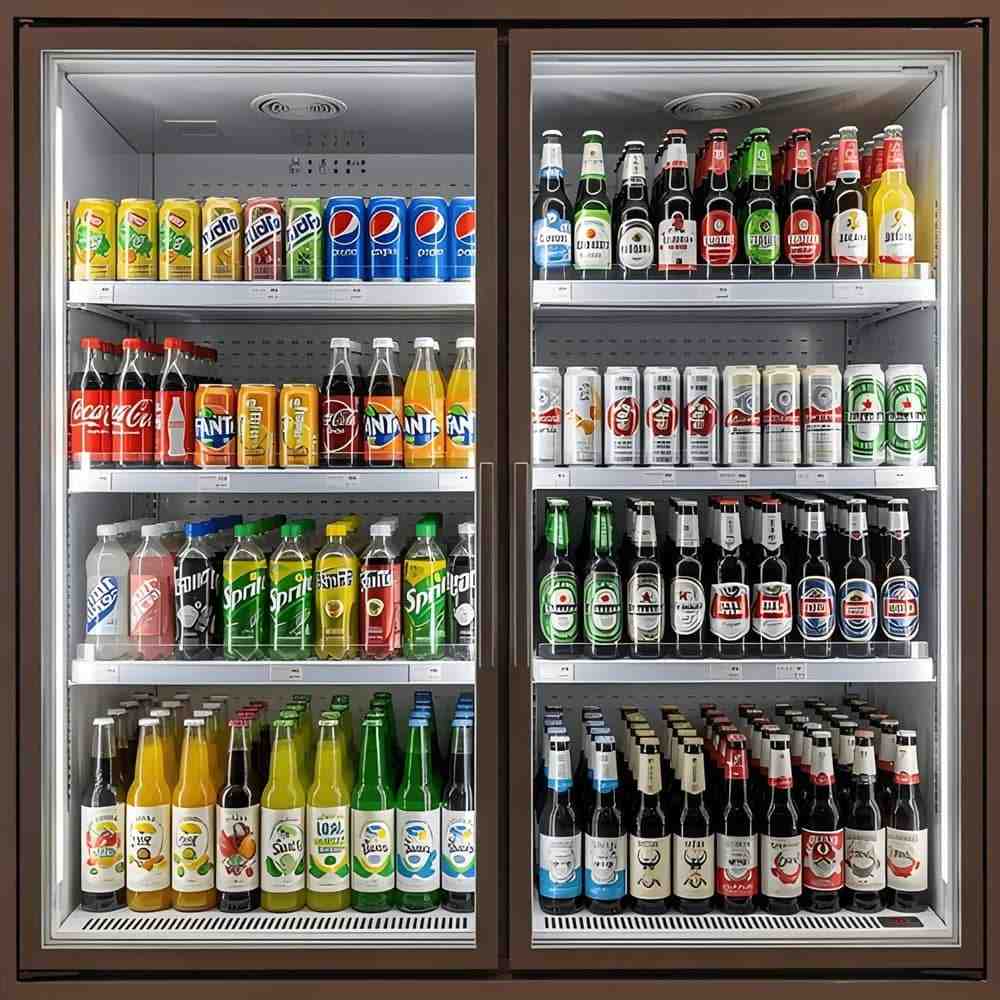
If you’ve completed the checks above and the fridge still isn’t cooling properly, the issue is likely mechanical or electrical.
Contact an ADGEMIS HOSPITALITY for a technician immediately if you notice any of the following:
Heavy frost or ice on the evaporator coils can restrict airflow and prevent proper cooling.
Common causes include:
Removing the ice only treats the symptom. The underlying fault must be repaired.
Fan motors circulate cold air throughout the cabinet and remove heat from the refrigeration system.
Signs of trouble include:
These symptoms often indicate a failed relay or motor that requires professional attention.
Commercial refrigeration systems should operate with a steady hum.
Call for service if you hear:
These sounds may indicate worn bearings, fan failures, or compressor damage.
Low refrigerant levels will severely affect cooling performance.
Possible warning signs include:
Refrigerant leaks must be repaired and recharged by a licensed refrigeration technician.
Some heat is normal around the condenser area. However, external panels should never feel excessively hot.
A hot cabinet may indicate:
Prompt repairs can prevent major damage.
The compressor is the heart of the refrigeration system.
Warning signs include:
Early diagnosis can sometimes prevent a complete system failure.
A non-functioning fridge creates more than just an inconvenience.
Potentially hazardous food must be stored below 5°C to minimise bacterial growth and meet food safety requirements.
A system struggling to reach temperature often runs continuously, driving up electricity consumption.
The longer a fridge remains warm, the greater the risk of product spoilage and inventory loss.
Minor faults can quickly escalate into major component failures if ignored, resulting in significantly higher repair costs.
Preventative maintenance is the most effective way to avoid refrigeration emergencies.
Regular servicing can involve:
Many businesses also install temperature monitoring systems that send alerts when temperatures move outside safe operating ranges.
This is the time you should consider calling ADGEMIS HOSPITALITY for a scheduled
We will assess whether a 3, 4 or 6 Monthly Preventative Maintenance Service works best. Another key consideration will be if you have an open door, and if there is a high volume of traffic, trams, trains or dust.
We may require to start with 6 monthly intervals and then adjust it later to every 3 or 4 months.
Don’t let refrigeration problems disrupt your business.
At Adgemis Refrigeration, we provide:
Backed by more than 40 years of experience, Adgemis Refrigeration supports businesses throughout Melbourne with reliable refrigeration services and expert technical support.
Call 1300 66 1004 or email info@adgemisrefrigeration.com.au
For most food businesses, commercial refrigerators should operate between 2°C and 4°C, safely below the 5°C food safety threshold. (Source: Victorian Department of Health & Food Standards Australia New Zealand)
Most businesses should clean coils every 3 months. High-grease or flour-heavy environments may require monthly cleaning.
No. Move stock to an alternative refrigerated unit and arrange service immediately to prevent further damage and stock loss.
Yes. Adgemis Refrigeration offers 24/7 emergency breakdown services across Melbourne for clients.
We repair and service all major commercial refrigeration brands, including: Adgemis, Albany, Gem, Skope, Brandon, Bendex, Williams, Hoshizaki, Hussmann, Bromic, Skipio, Polar, Thermaster, and Turboair. Tecnodom, Anvil, Blizzard, Hussmann Bonvue, Delux, Cossiga, FED-X, Glacian, Saltas, and Inomax. If there is a brand that is not listed, you’re welcome to call and ask us.
We recommend a Preventative Maintenance inspection at minimum every six months to maximise reliability, efficiency and equipment lifespan.
Call us, we welcome you to have us provide a quote.
When a commercial fridge breaks down, it is far more than an inconvenience. It is a risk of losing stock, it’s a disruption to service, and it is potentially a lot of money. What do you do? Call for a technician to repair your fridge, or do you start shopping for a new one? For […]
Are you looking to upgrade your existing commercial kitchen and wondering if those high-end domestic appliances you see in retail stores can cut it in a fast-paced restaurant environment? Whether you are a seasoned chef or a first-time business owner, understanding the differences between domestic and professional commercial equipment is vital for your success. While […]

Choosing a commercial refrigerator is one of the most significant investments you will make for your kitchen. Unlike a home fridge, a professional unit has to maintain a steady temperature while the door is opened hundreds of times a day in a hot environment. With over 40 years of experience supplying and repairing commercial kitchen refrigerators […]
Cool rooms are integral to any commercial kitchen. They’re what keeps stock safe, fresh, and ready for service. Fail to invest in the right setup, and you’ll likely fall short of both Health Department standards and Australian regulations. Put simply, for anyone in hospitality, retail, or food production, the choice of a cool room isn’t […]
There’s no doubting the value of a reliable commercial dishwasher. In a busy commercial kitchen, these machines are a major lifesaver. A good unit allows you to save time, keep up with deadlines, and maintain a hygienic environment. But one thing that’s increasingly important to many businesses is energy efficiency, especially as Australian restaurants face […]


Call us today on 1300 66 1004




